Skip to content
Saint Charles Hardwoods, since 1988

Exotic Lumber

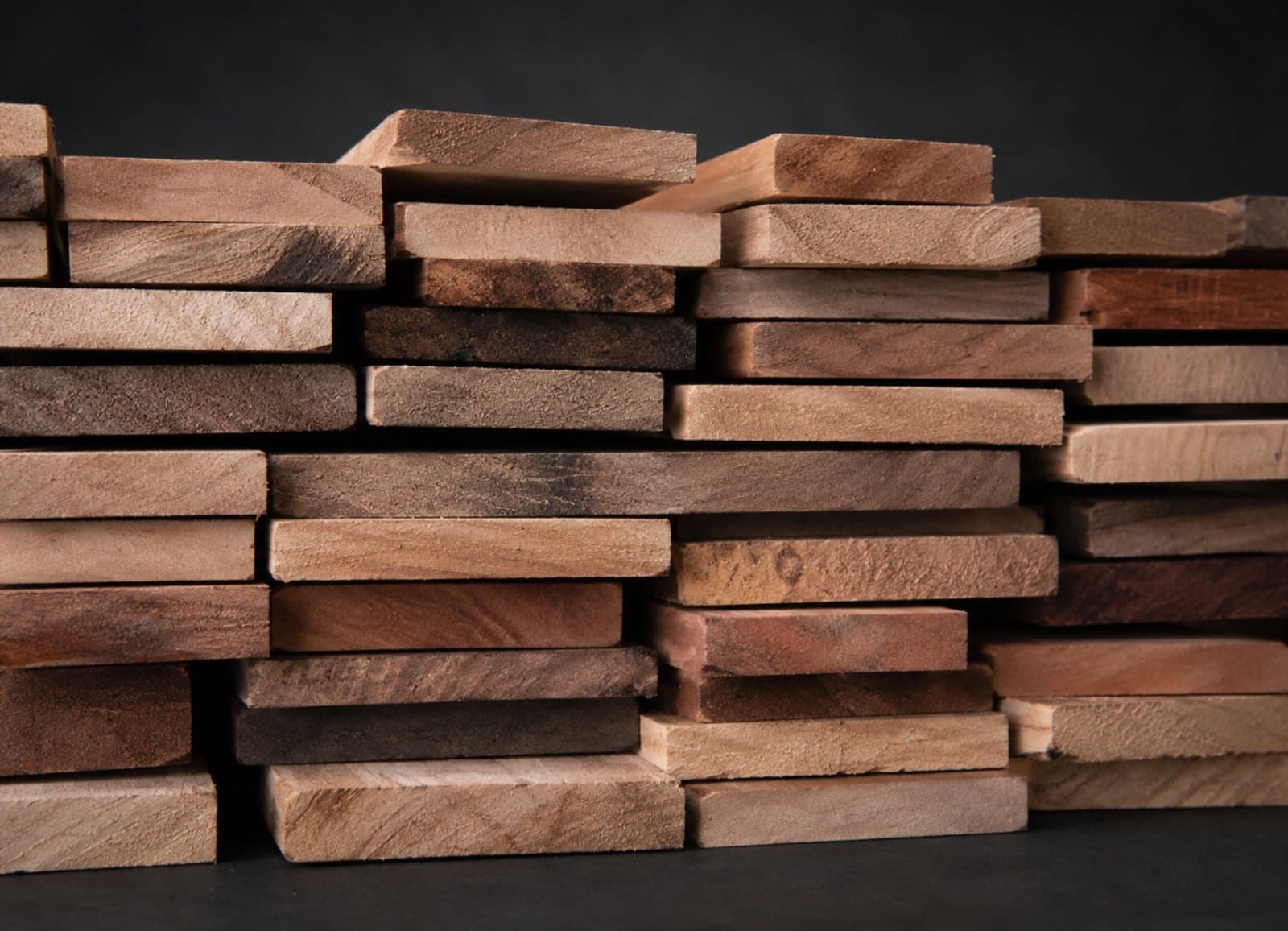
Imported hardwoods for furniture, boxes, turning and accent work: sapele, genuine and African mahogany, wenge, padauk, purpleheart, zebrawood, teak, ipe and more. Mostly 4/4, with thin stock and thicker boards in several species.

The species we carry

Mahogany and its relatives

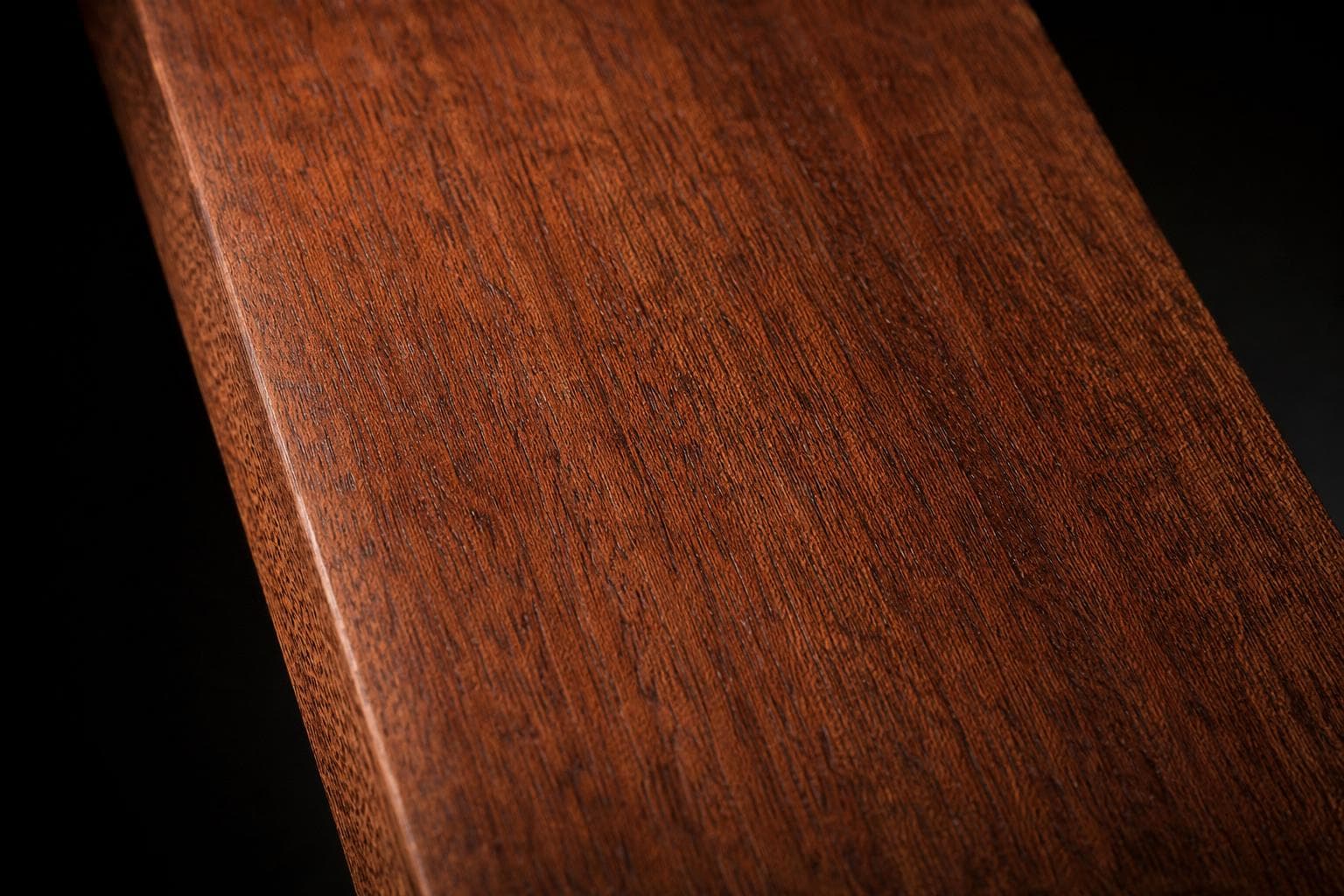
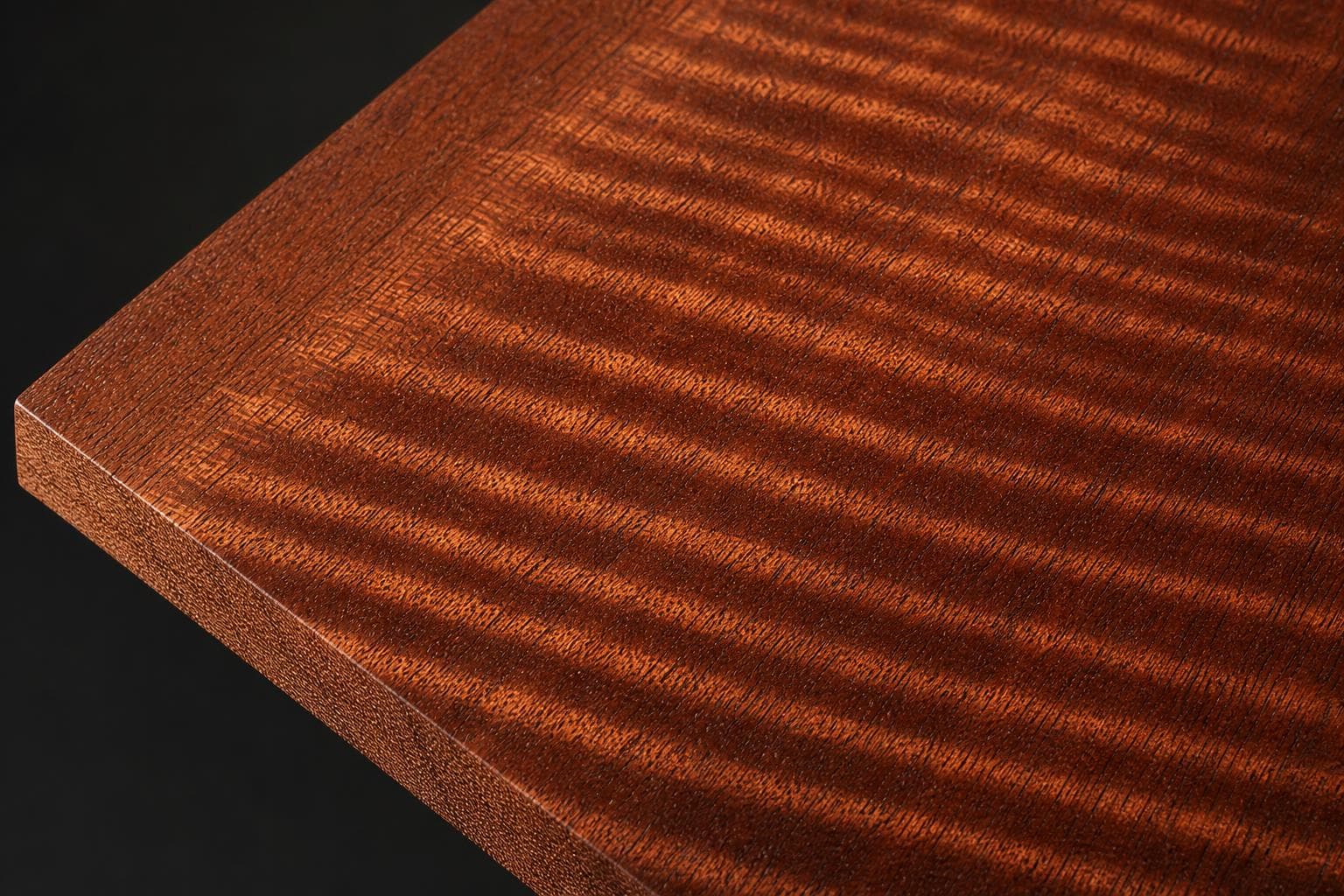
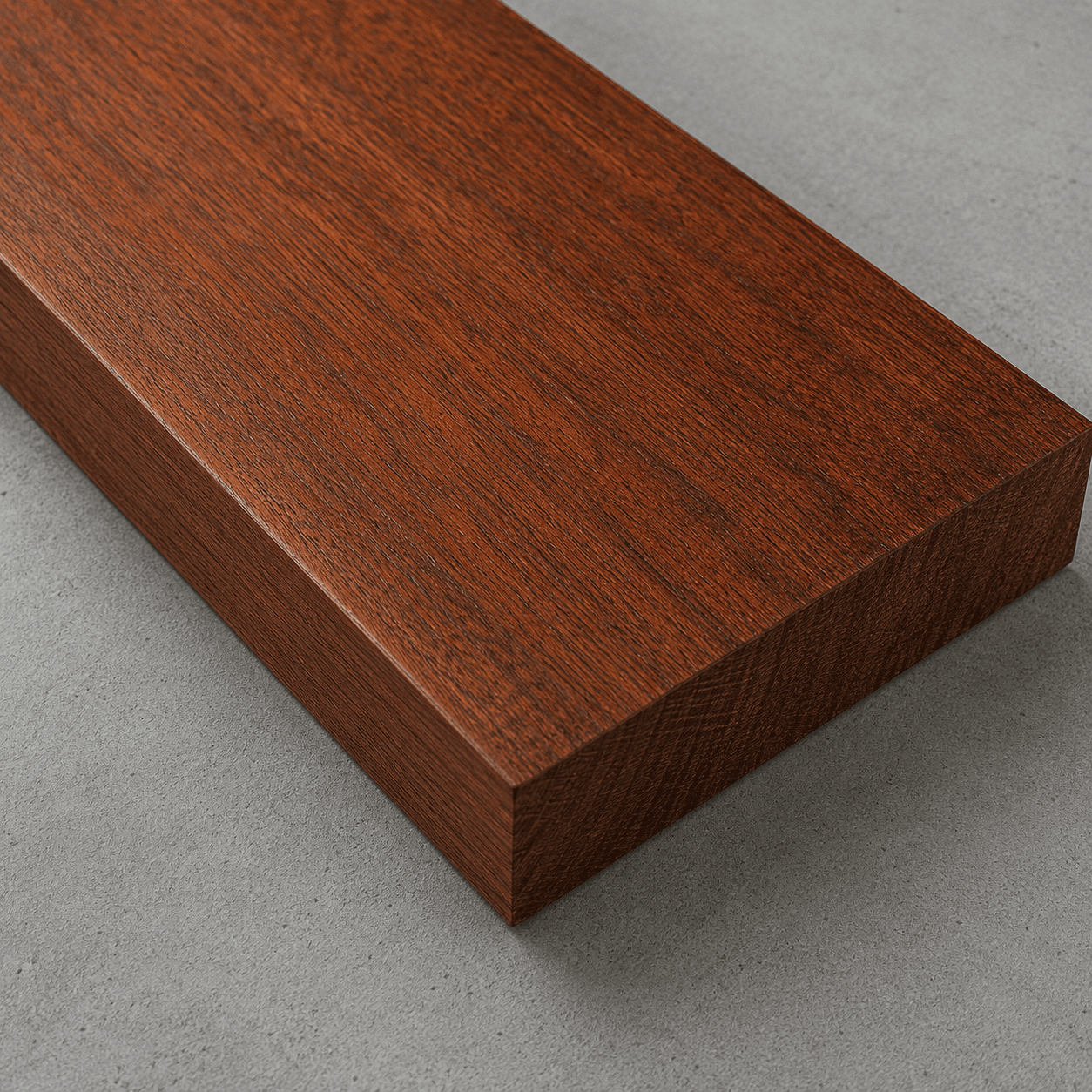
Genuine mahogany, the classic furniture wood, works easily and finishes beautifully. African mahogany has a similar look and comes in 8/4 for thick parts. Sapele, from the same family, shows a ribbon stripe when quarter sawn, which we stock. Lyptus and red grandis are plantation-grown eucalyptus with a mahogany-like color.

Dark and dramatic

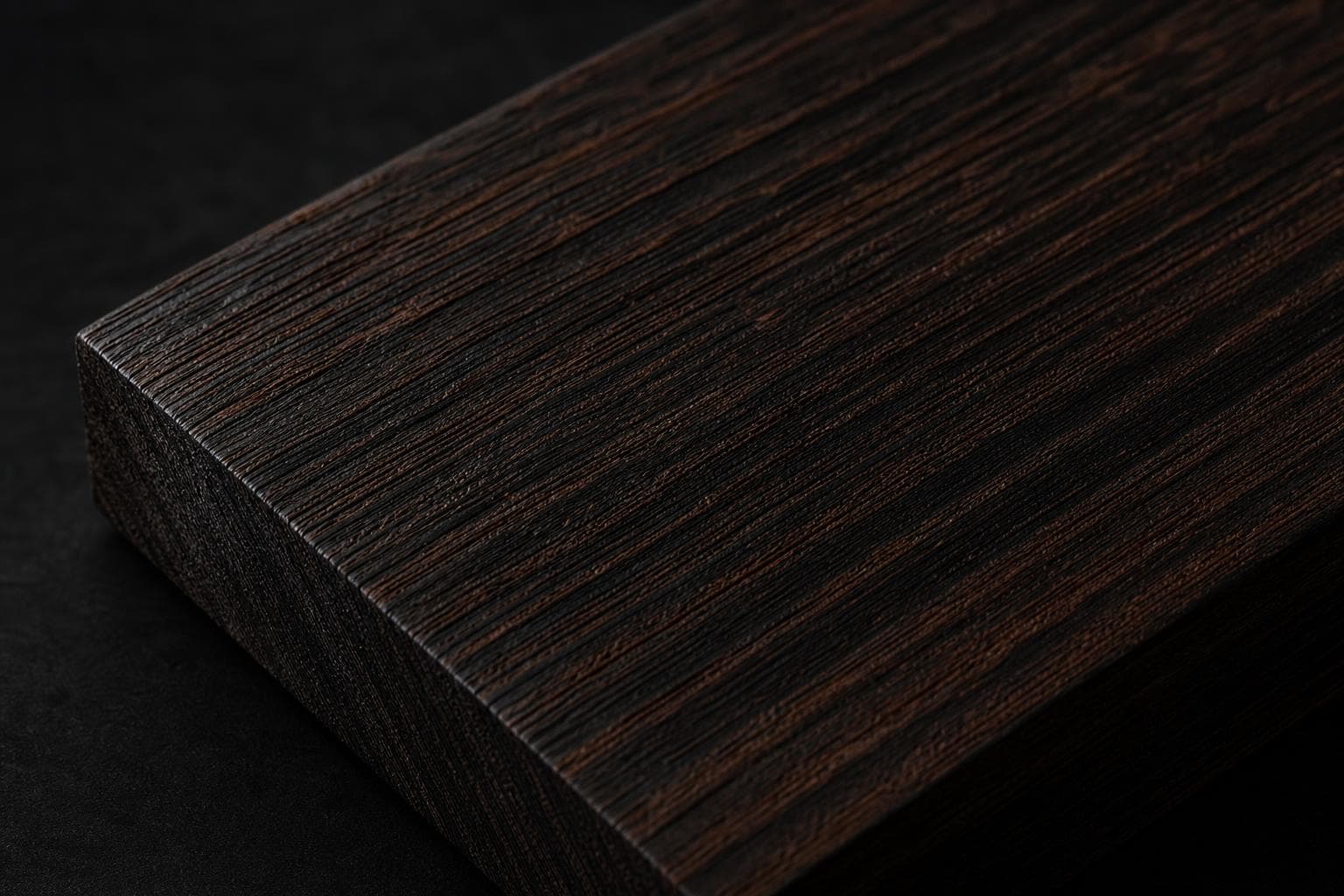
Wenge is very dark brown with near-black streaks. Zircote, bocote, granadillo and morado (sometimes sold as Bolivian rosewood) bring dark brown, gold and purple tones with bold striping, for boxes, handles, inlay and turning.

Bright color

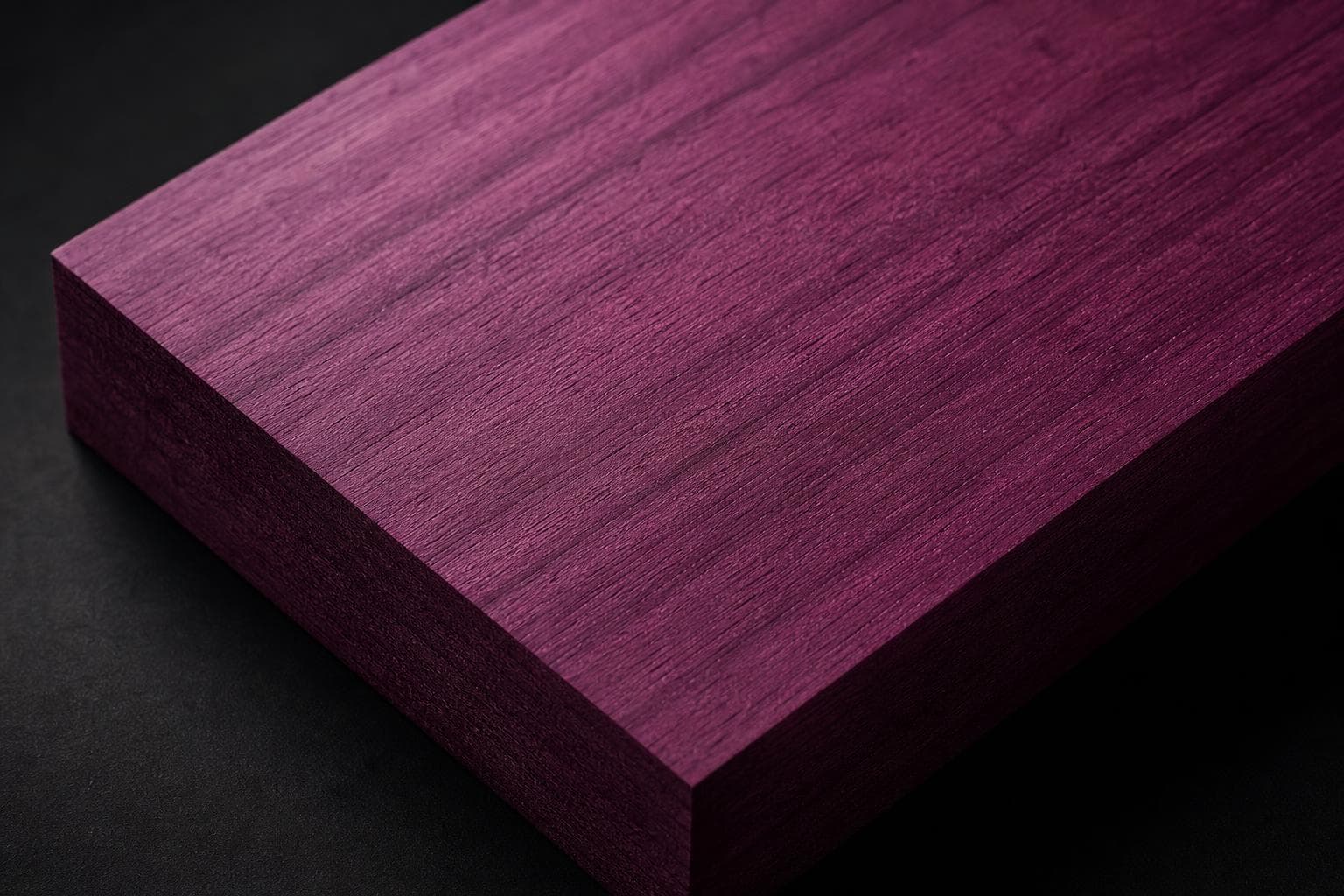
Padauk is a vivid orange-red that mellows to a deeper red-brown. Purpleheart turns from brown to purple once it's cut and exposed to air. Bubinga is reddish-brown, often with figure.

Stripes and figure

Zebrawood and pink zebra, tigerwood with its dark streaks on gold, lace wood with its lace-like ray pattern, and anigre, a pale wood that often carries a shimmering figure.

Dense and weather-tough

Ipe and teak are naturally durable outdoors; iroko is often chosen as a teak alternative; jatoba, sometimes called Brazilian cherry, is very hard and reddish-brown.

Aromatic

Spanish cedar is light and fragrant, the traditional wood for humidors, cigar boxes and drawer linings.

Working with exotic woods

Most of our exotic lumber is 4/4, about an inch thick before surfacing. Several species also come as thin 1/4" stock for box sides, inlay and small parts, and sapele, African mahogany, jatoba, lyptus and anigre come thicker for legs and tops.

A few habits make exotic species easier to work:

  • Keep tools sharp. Many of these woods are much harder and denser than oak or maple.
  • Collect the dust. Dust from many exotic species can irritate skin and airways. Use dust collection and a good mask, especially when sanding.
  • Clean oily woods before gluing. Teak, ipe and some rosewood-type species are naturally oily. Wipe the joint surfaces with a solvent just before glue-up.
  • Test the finish. Some species, such as padauk and purpleheart, change color with light, and some resist certain finishes. Try it on an offcut first.

Exotic wood questions

Where can I buy exotic wood near me in the St. Louis area?

At our store in St. Peters, in St. Charles County, about 25 minutes from Chesterfield and 45 from downtown St. Louis outside rush hour. Plenty of woodworkers know us as St. Charles Hardwoods. The species we stock are listed above; directions and hours are on Contact Us.

What's the difference between genuine mahogany, African mahogany and sapele?

They're related woods from the same family with a similar reddish-brown color. Genuine mahogany comes from Central and South America and is the traditional furniture wood. African mahogany and sapele come from Africa; sapele is harder and known for its ribbon stripe when quarter sawn. All three work well for furniture and millwork.

Which exotic woods hold up outdoors?

Ipe and teak are the usual choices: both are naturally resistant to rot and weather. Iroko is often used where teak would be. Give any outdoor project a finish or sealer suited to the wood, or let it weather to grey.

Can your mill make mouldings or parts from exotic wood?

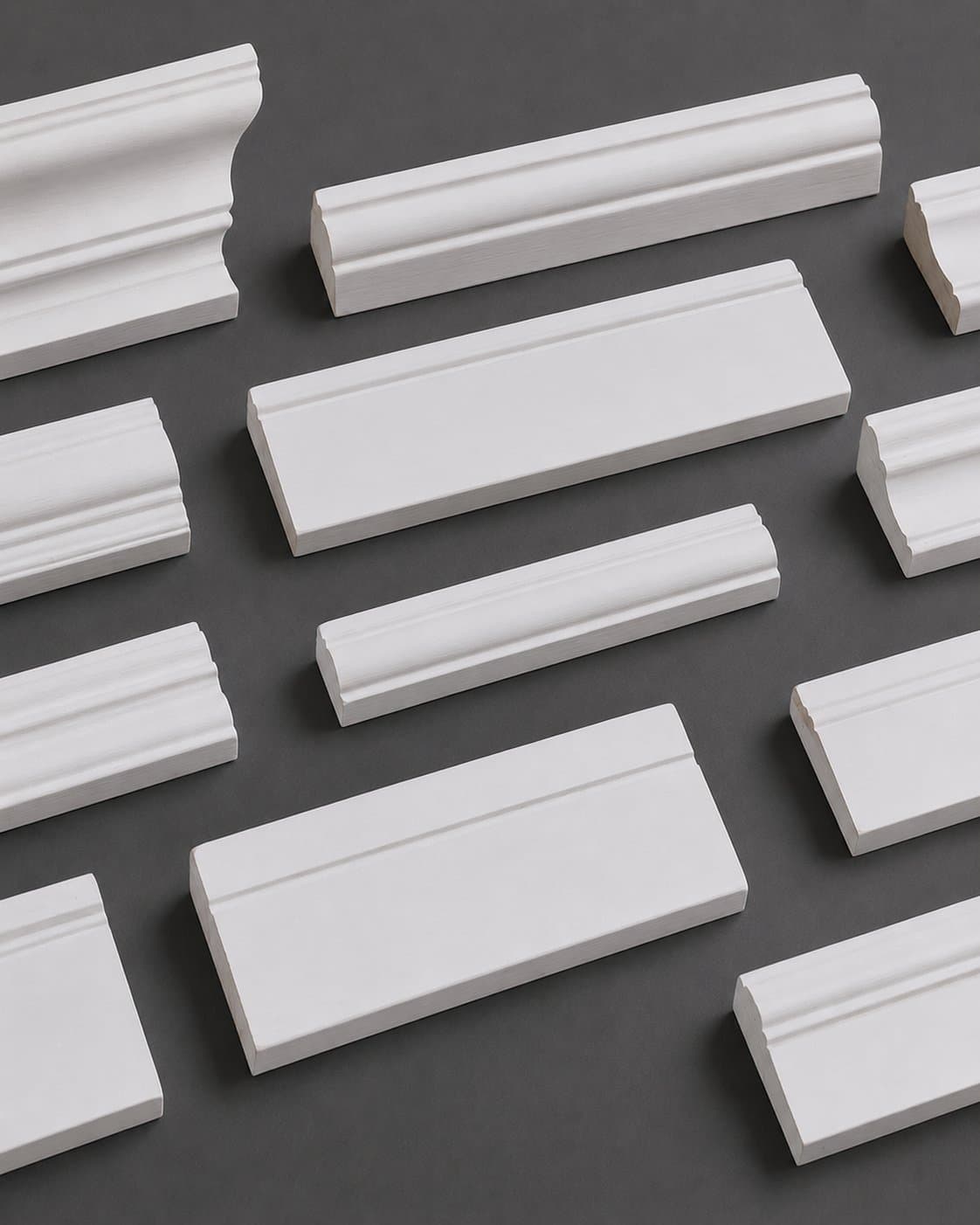
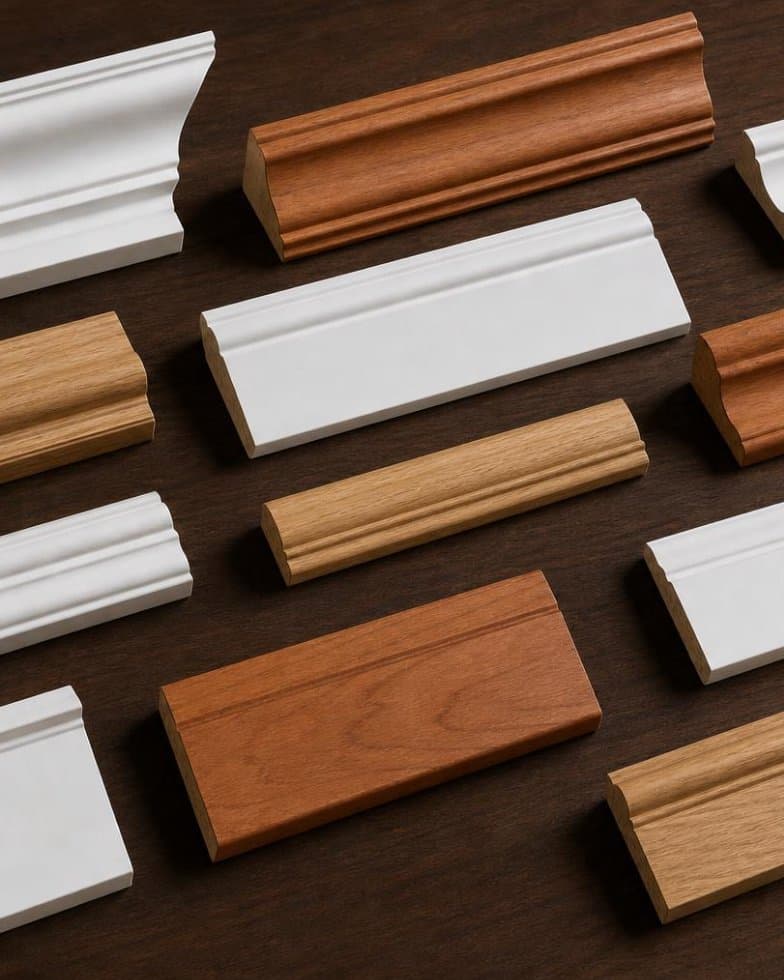
Ask us. Our mill in Bowling Green, Missouri, runs custom mouldings and hardwood components in the species you specify. See Custom Work, Our Mill, or send a profile through the custom mouldings request.

Can you order a species you don't list?

Often, yes. Tell us the species, thickness and roughly how much you need, and we'll tell you what we can get.

Looking for a particular board? Tell us the species and size before you drive in.

Add it to your quote, or call (636) 926-2000. We reply to quotes within 1–2 business days.